
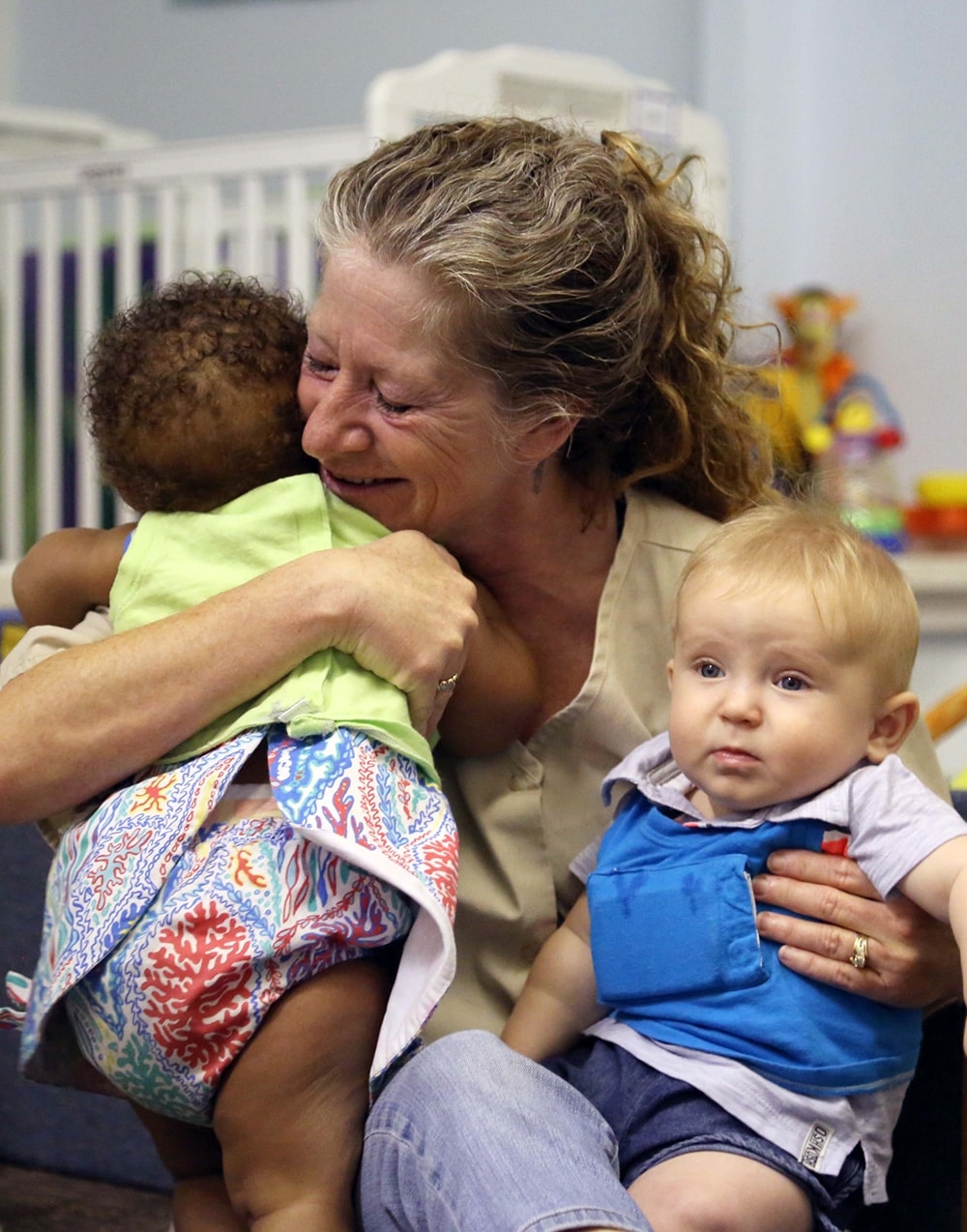
What are the most effective, achievable, and accessible ways to support infant and early childhood mental health? This webinar brings together experts and advocates to explore how responsive adult-child interactions—especially conversational turns—can nurture social and emotional well-being in the earliest years of life.
Panelists discuss the crucial role of environment, relationships, and adult responsiveness in fostering mental health and resilience in young children. The conversation also covers innovations in policy and advocacy, grounded in research from organizations such as ZERO TO THREE, the National Center for Pyramid Model Innovations, and the Alliance for the Advancement of Infant Mental Health.
Attendees will learn:
- How a child’s environment and relationships shape mental health and SEL outcomes
- Why responsive interactions are so vital in the first years of life
- How conversational turns contribute to emotional and cognitive development
- What emerging policies and programs are advancing early childhood mental health
Panelists:

Jodi Whiteman
Director of Partnerships and Growth, LENA
Brings strategic insight into scaling early childhood programs and fostering impactful collaborations.
Esteban Gómez Muzzio
Executive Director, Fundación América por la Infancia
Leads international efforts to strengthen early childhood development and family engagement.
Dr. Kathryn Humphreys
Director, Stress and Early Adversity Lab, Vanderbilt University
Researches the effects of early life stress on development and interventions that build resilience.
Kathleen Mulrooney
Director, Infant and Early Childhood Mental Health (IECMH) Strategy-Program, ZERO TO THREE
Oversees national strategies to support professionals and caregivers in nurturing mental health from birth.
Javier Nieves
IECMH Clinician, Center for Autism and Early Childhood Mental Health, Montclair State University
Specializes in clinical approaches to support young children’s emotional and developmental needs.