News Stories
The Lena Grow program, which collects data on preschooler talk and trains teachers to increase conversations, has been linked to higher reading scores.
Blog Posts
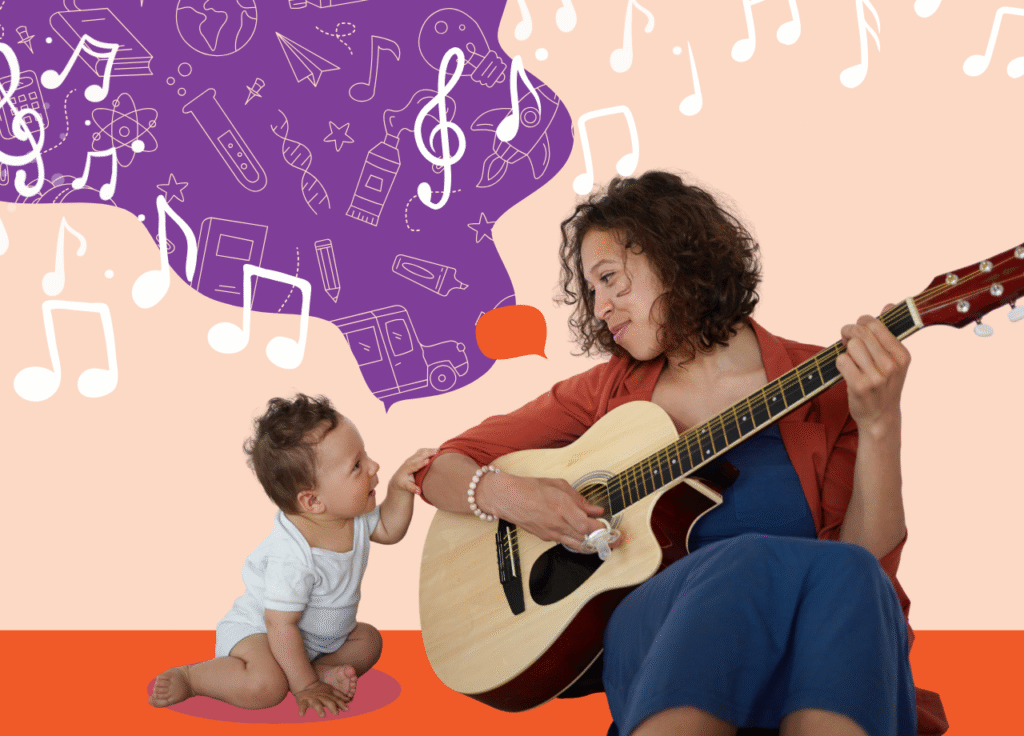
Music is a powerful “instrument” for fostering early literacy, language development, vocabulary acquisition, and reading readiness
Blog Posts
In early childhood education, we talk a lot about building foundations. Preparing children for school. Closing gaps. But 2025 reminded us of something simpler.
Research Reports
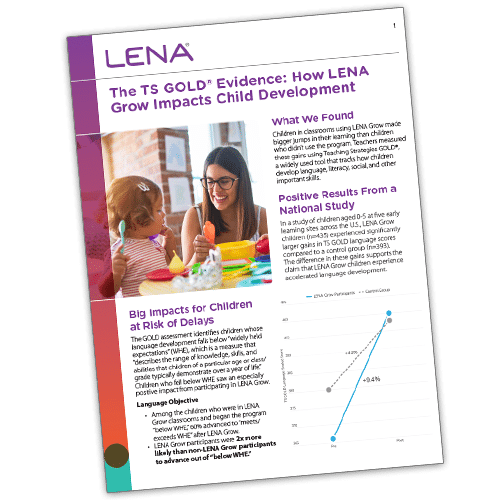
In a study of children aged 0-5 at five early learning sites across the U.S., children in LENA Grow classrooms experienced significantly larger gains in TS GOLD language scores compared to a control group. 
Case Studies
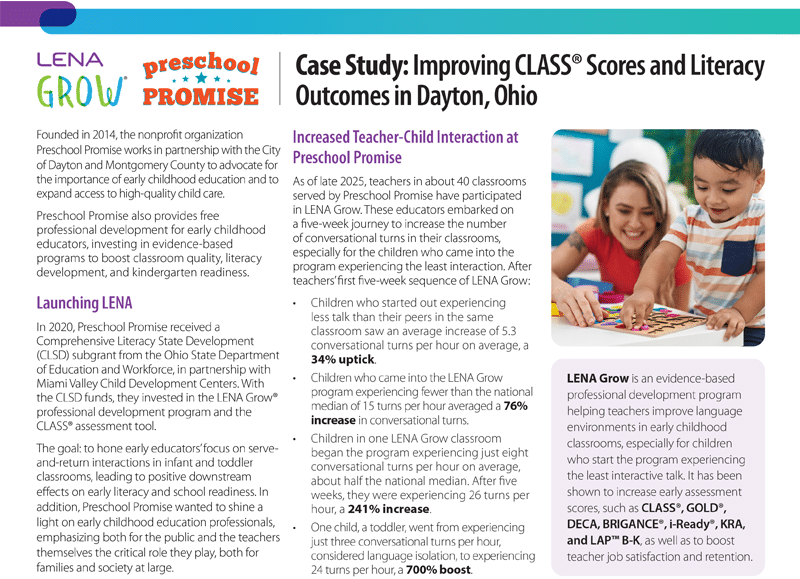
In 2020, Preschool Promise received a CLSD subgrant from the Ohio State Department of Education and Workforce. With the CLSD funds, they invested in the LENA Grow professional development program and the CLASS assessment tool.
News Stories
UNK and the Buffett Early Childhood Institute are partnering with the Nebraska Head Start Association and seven Head Start programs across the state, including: Community Action Partnership of Mid-Nebraska and Western Nebraska, Central Nebraska Community Action Partnership, Educational Service Unit 13, Educare Lincoln, Sarpy County/ESU 3 Head Start and Head Start Child and Family Development Program in central Nebraska.
Tip Sheets
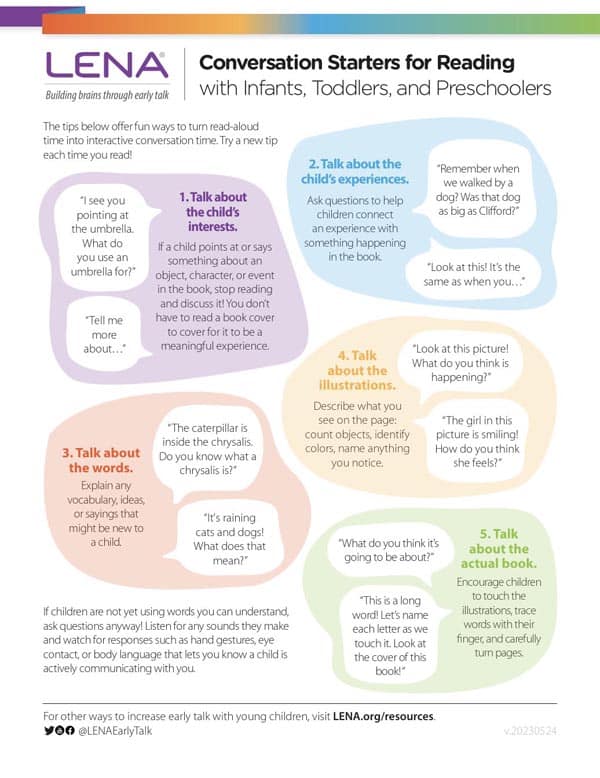
How can you spark conversation during story time with the infants, toddlers, and preschoolers in your life?
Blog Posts
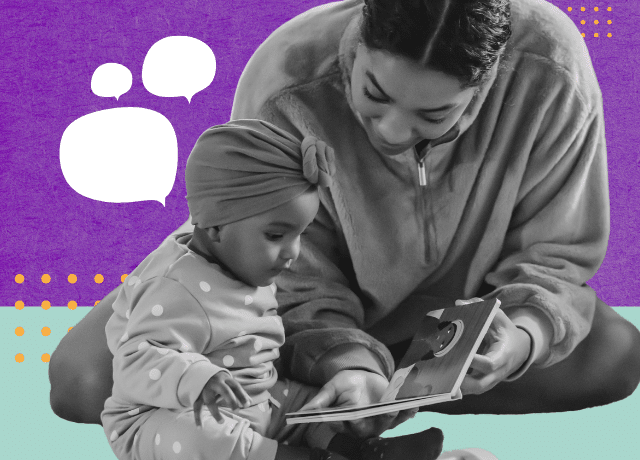
Early literacy success doesn't mean teaching babies to read. They build early literacy skills through simple interactions with caring adults.
Tip Sheets
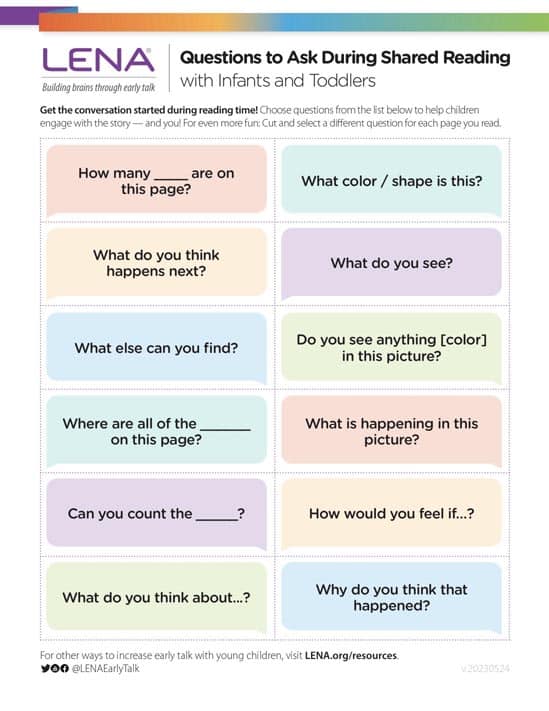
Help support meaningful conversations with infants, toddlers, and preschoolers during shared reading time.
Loading more

Free Webinar: Interaction Data as Quality Systems Evolve

Every state’s quality system is designed to answer an important question: is a program providing high-quality care and learning experiences for children?

Yet quality is a moving target — in how it’s defined, how it’s measured, how it’s communicated, what it means for children in the classroom. As states evolve their approaches – some using rating systems and others emphasizing continuous quality improvement – understanding the indicators that matter most has never been more important.

Read more here > 

October 14 at 1:00 p.m. ET